
- Emotionally Focused Therapy (EFT) helps couples rebuild trust and a secure bond after infidelity.
- EFT techniques include mapping the cycle you’re stuck in, reaching the feelings under self-protection and separating old wounds from the present.
- Not every couple stays together, and deciding clearly is a good outcome too.
Cheating is a powerful reason to end a relationship
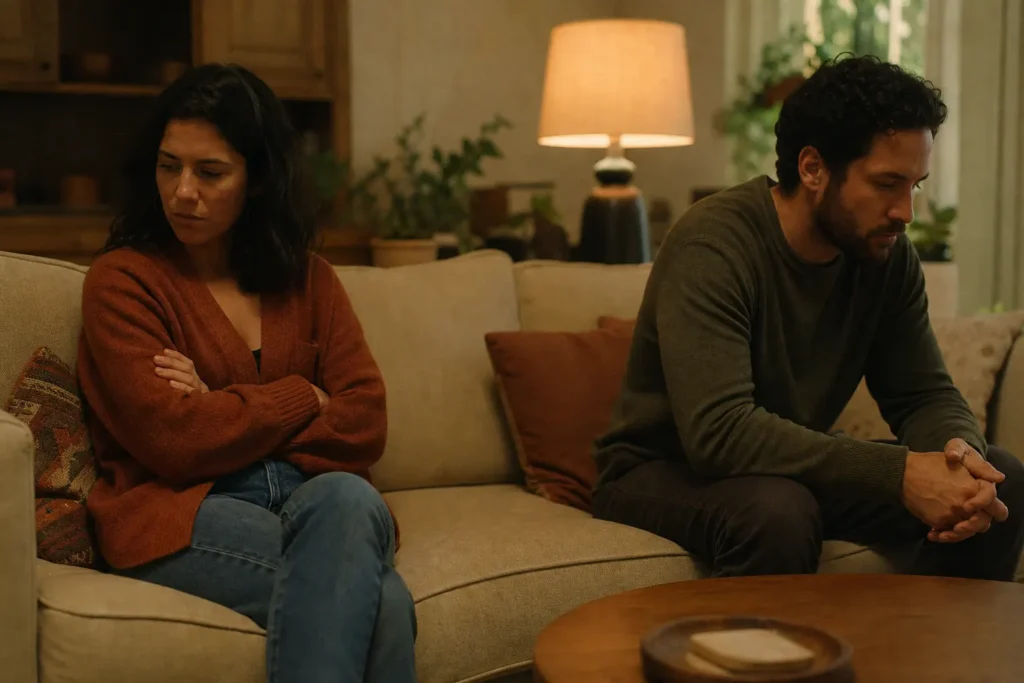
An affair is one of the hardest things a couple can come back from, mostly because of what it does to trust. Some couples decide to separate, and that can be the right call. Others want to try. For those couples, emotionally focused couples therapy techniques for infidelity can help a great deal.
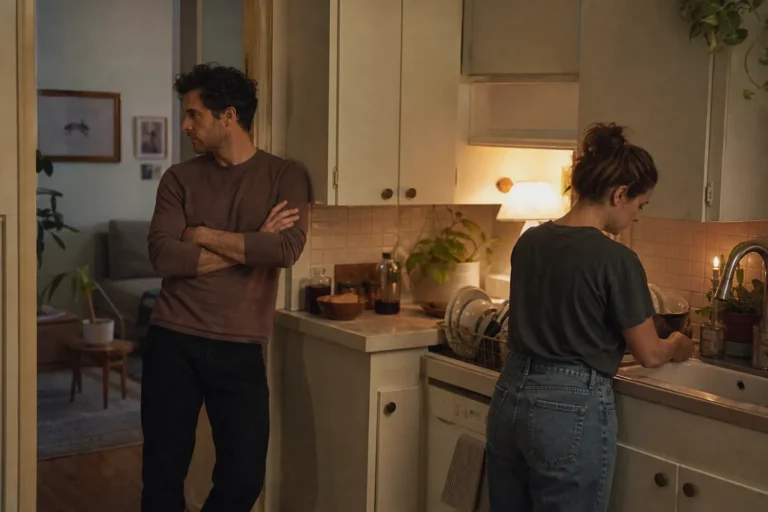
Picture a common scene a few weeks after an affair comes out. One partner can’t stop checking the other’s phone and asking questions. The other partner feels so ashamed and so cornered that they go quiet or get defensive. Every conversation turns into a fight. They still love each other, and they’re both drowning.
That loop is exactly what EFT is built to work with.
The damaging effects of infidelity
Many people describe discovering an affair in the language of trauma: replaying images they can’t stop seeing, trouble sleeping, feeling the ground has gone out from under them. Some of the most common effects:
- Damaged self-esteem. The hurt partner may wonder whether they weren’t attractive enough or good enough, or whether it was somehow their fault.
- Lost trust. Your partner is supposed to be the person you can count on most. When that breaks, it can shake your trust in other people too.
- Constant alertness. Worrying where your partner is, what they’re doing and whether it will happen again. This vigilance is exhausting.
The partner who had the affair is often struggling too, with guilt, shame and fear of losing everything. Both people’s pain needs room for repair to happen.
Emotionally focused therapy to deal with an unfaithful partner
Emotionally Focused Therapy was developed by Sue Johnson, working with Les Greenberg, in the 1980s. It’s built on attachment theory: the idea that we’re wired to need a close, dependable bond with a few people, and that when the bond feels threatened we protest, cling or shut down.
EFT moves through three stages:
- De-escalation. The couple learns to see the negative cycle they’re caught in and the feelings driving it. The cycle becomes the shared enemy, not each other.
- Restructuring the bond. With the therapist’s help, each partner shares softer, more vulnerable feelings and needs, and the other learns to respond. A withdrawn partner re-engages and a critical partner can soften.
- Consolidation. The couple practices the new pattern on their own and finds new answers to old problems.
Johnson also described the attachment injury: a moment when one partner badly let the other down when they most needed them. An affair is often one. With colleagues, she developed a model for resolving these injuries. The hurt partner describes the injury and its impact, the partner who caused it stays present and acknowledges the harm without defending, and the hurt partner can then ask for the comfort they needed. When that happens, trust can start to rebuild.
I draw on EFT in my work with couples after an affair, alongside the Gottman Method and PACT.
Couples therapy techniques to heal an unfaithful betrayal
Every couple is different, and an EFT therapist adapts to the two people in the room. Here are three techniques that show how the work unfolds.
1) Identifying patterns in emotional response
After an affair, each partner reacts in a way that makes sense on its own and makes things worse together. Going back to the scene above: every time the affair comes up, one partner pursues with questions and anger. The other freezes in shame and goes silent. The silence feels like another betrayal, so the questions get sharper, and the shame gets deeper.
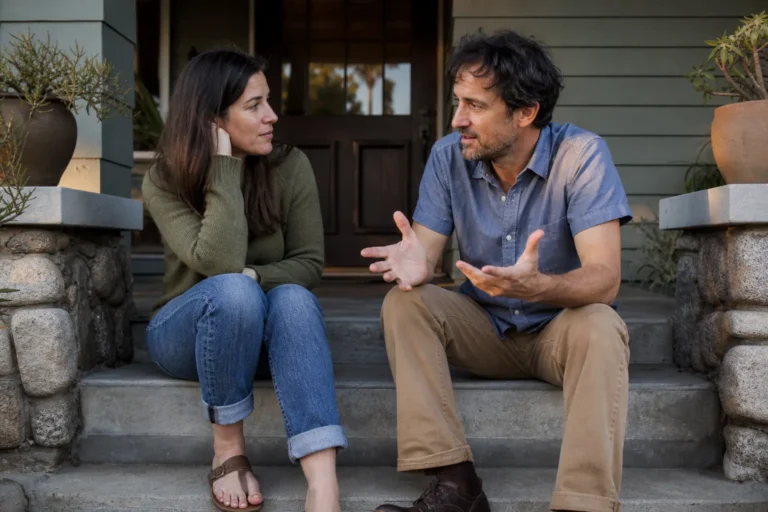
In EFT, the therapist helps both partners see this cycle clearly, slowly and without blame. Once you can both say “there’s the cycle again,” you have a little room to choose a different response.
2) Letting go of self-protection
Most of us protect ourselves from pain by avoiding it: changing the subject, getting angry instead of sad, going numb. After infidelity, self-protection makes complete sense, and it also keeps the couple stuck.
EFT helps each partner reach the feelings underneath the protective reaction. Anger often sits on top of fear and grief. Defensiveness often sits on top of shame. When those softer feelings are shared and met with care, the conversation changes.
3) Stop projecting the past
An affair can reopen older wounds: a parent who left, a childhood where you never felt enough, a previous partner who cheated. Those old hurts can make the present one feel even more overwhelming.
Part of the work is noticing when the past is shaping how you react now. That doesn’t make the affair any less real. It helps you separate what belongs to this relationship from what you’ve carried into it, so you can respond to your partner as they are today.
Understanding Attachment
In psychology, attachment is the emotional bond between a child and their caregivers. Children who feel safe with a caregiver tend to explore more freely and trust people more easily. Children who don’t may learn that people aren’t reliable.
As adults, our partners often become our main attachment figure. Infidelity strikes right at that bond. Even someone who usually trusts easily can start to feel anxious, clingy or guarded. The good news is that a secure bond can be rebuilt, with effort, time and often help.
What to seek in an EFT couples therapist
One type of therapist doesn’t fit everyone. You may feel more comfortable with someone of a particular gender, background or orientation, or with someone who has worked with many affairs.
Look for a therapist who:
- Listens to both of you and doesn’t take sides
- Can explain how EFT or their other methods actually work
- Gives you something to practice between sessions
- Never claims to know your relationship better than you do
It can take a consultation or two to find the right fit. That’s normal. Some couples also find that a couples intensive helps them get through the first acute weeks faster.
What If EFT doesn’t work?
Sometimes the damage is too deep, or one partner is too worn out to keep trying. If that happens, there’s no need to punish yourself. Deciding to end things with care can be the healthiest choice.
If one of you is unsure whether to stay, discernment counseling can help you decide clearly before committing to repair work. And if you’re the one trying to move on, my article on how to fall out of love after infidelity may help.
If you’d like to talk about where you are right now, you can book a free 20-minute consultation.