
Marathon couples therapy means spending a long, unbroken stretch of time working on your relationship with a therapist: several hours, or a full day or two, instead of an hour a week. Most of what’s written about it covers the format and the benefits. This article is about the part people ask me about most once they’re seriously considering it: what a long session actually feels like from the inside, how to prepare for one, and what happens in the days and weeks after.
- A long session gives a conversation room to finish, so you aren’t stopped just as things open up.
- Preparing well, practically and emotionally, makes a real difference to how the day goes.
- The work after the marathon is where new habits take hold.
What is marathon couples therapy?
Marathon couples therapy is another name for a couples intensive: therapy delivered in one concentrated block. In my practice that means a 3-hour intensive, a 6-hour intensive, or a one- or two-day couples retreat. If you want the full overview of formats and who they suit, my article on intensive couples therapy covers that ground. Here I’ll stay with the experience itself.
Why the length matters
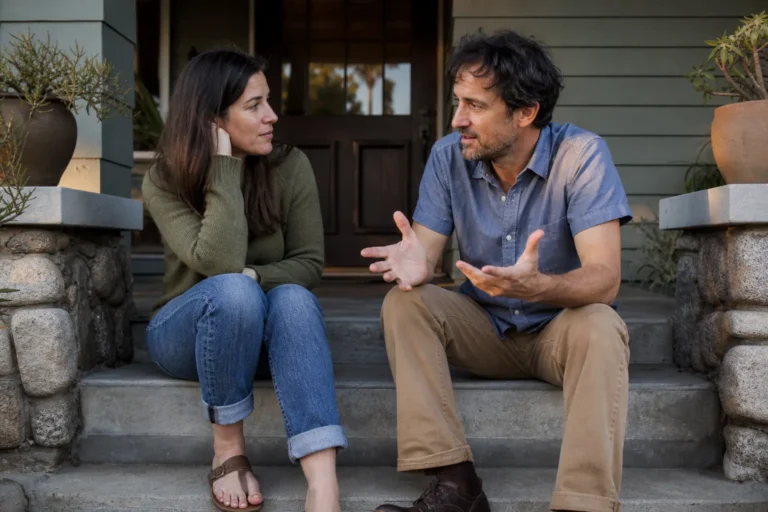
In weekly therapy, a lot of the hour goes to catching up. You report the week, warm up, and get to the real issue with fifteen minutes left. Then you drive home with it half-open. In a marathon session, there’s no clock cutting you off. When an old argument starts, we have time to slow it down, see what each of you is protecting, try something different and then settle again before we move on.
That last part matters more than people expect. Many couples understand their fight perfectly well. What they can’t do is stop it once it starts, because both nervous systems have already taken over. Your nervous system is your body’s alarm system, and it reacts in a split second, long before a communication technique can kick in. Long sessions let us work with that alarm while it’s going off, not just talk about it afterward.
The approaches I draw on
I draw on PACT (Stan Tatkin’s Psychobiological Approach to Couple Therapy), Imago (developed by Harville Hendrix and Helen LaKelly Hunt), attachment-based work, interpersonal neurobiology, the Gottman Method (developed by John and Julie Gottman) and Emotionally Focused Therapy (developed by Sue Johnson). In a marathon session I’m not running a fixed program. I use what fits what’s happening between the two of you in the room.
The structure of marathon therapy
Every intensive I run is shaped around the couple, but most follow a similar arc.
The first hour: getting oriented
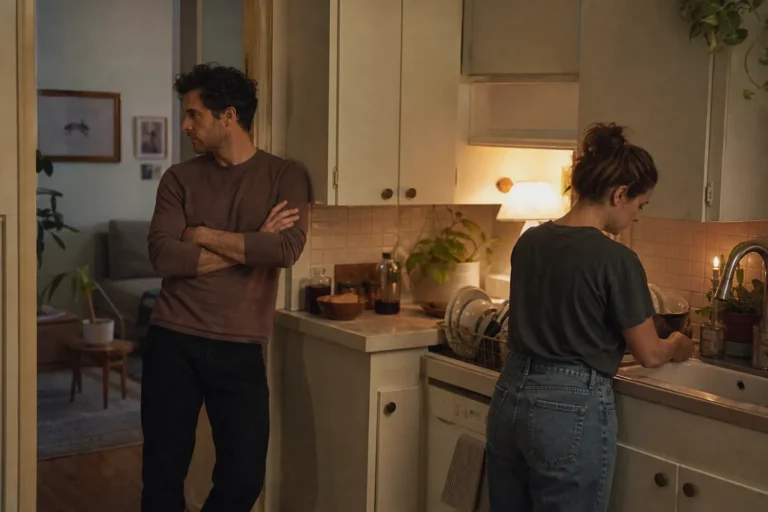
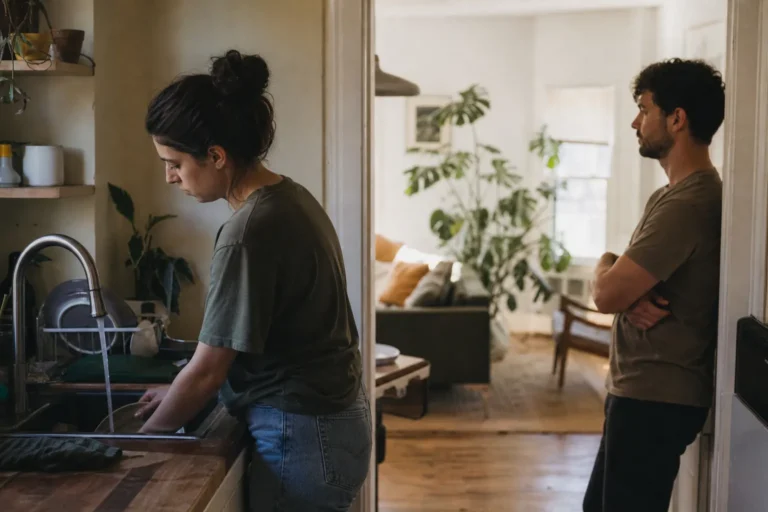
We start by naming what each of you hopes to leave with. People are often nervous at the start, a little guarded, sometimes rehearsing what they plan to say. That’s normal. I’ll ask about your history together and the moments you keep getting stuck in. Before long, we usually find the cycle, the loop where one move triggers the other’s move and round it goes. Often one of you pushes for connection and the other pulls back to keep things calm, and each person’s protective move sets off the other’s.
The middle: the hard part
Somewhere in the middle, things get real. An old hurt comes up, or the familiar fight starts right there on the couch. This is the point where people sometimes wonder why they signed up. It’s also where the most useful work happens. Because we have time, we don’t have to tidy it up and stop. We can stay with it, help each of you calm your body, hear what’s underneath the anger or the shutdown, and practice responding differently.
Longer formats include breaks. They aren’t on a stopwatch. We take them when you need them, to eat, walk, breathe or sit quietly with what just came up.
The end: consolidating
Toward the end, the pace slows. We look back at what happened: the pattern we saw, the moments it softened, and what each of you did differently. Then we turn it into something practical, a short list of what to watch for and what to try when the old loop starts at home.
Preparing for a marathon session
A little preparation helps you get the most out of the time.
Practical preparation
- Clear the day. Take time off work if you need to, and arrange childcare or pet care so no one is watching the clock.
- Protect the evening, too. Don’t schedule a dinner party or a work call right after. You’ll likely be tired and tender.
- Eat and sleep. Arrive fed and as rested as you can manage. Bring water and a snack for breaks.
- Turn off notifications. A text from work mid-conversation can pull one of you out of a vulnerable moment.
Emotional preparation
Before the intensive, we’ll get clear on what you each want to focus on, starting with the free 20-minute video consultation. Sometimes I’ll meet with each of you separately before the joint work, so I understand both perspectives. I don’t keep individual secrets in couples work, so anything that affects the relationship will need to come into the room at some point.
It also helps to think, on your own, about two questions: What do I most want my partner to understand about me? And what is my part in the pattern? You don’t need polished answers. You just need to arrive willing to be curious about yourself as well as your partner.
When a marathon isn’t the right fit
Intensive work isn’t safe or useful for every couple. If there is violence, threats, or one of you is afraid of the other, joint sessions aren’t appropriate, and I’ll say so honestly. Active addiction or a mental health crisis also usually needs attention first. If one of you is leaning out of the relationship and the other is leaning in, discernment counseling may be the better first step.
Addressing challenges in therapy
Long sessions can stir up a lot. It helps to know what to expect.
Common emotional hurdles
Sadness, guilt, anxiety, anger, loneliness and helplessness can all show up in one day. Some people cry more than they expected. Others go numb for a while and then feel it later. Conflict sometimes rises before it eases, because you’re finally talking about things you’ve both avoided. None of this means the session is failing. My job is to keep the pace manageable, so you’re stretched but not flooded.
Working with past injuries
Many couples come to an intensive after an affair or another breach of trust. A long session gives room for the hurt partner to be fully heard, and for the other partner to take real responsibility rather than defending or minimizing. That kind of conversation is hard to fit into fifty minutes. It still takes time beyond the intensive, but it can be a meaningful beginning. It’s one of the most common reasons couples choose a longer format.
Tiredness
Expect to be tired. Emotional work uses real energy, and six hours of it is a lot. That’s one reason breaks and a clear evening matter. Many couples say they slept unusually well afterward.
Skill development during therapy
Marathon sessions aren’t only about insight. A large part of the time goes into practicing new moves while I’m there to help.
Enhancing communication
We practice speaking from your own experience (“I felt dismissed when…”) rather than in accusations, and listening well enough to reflect back what you heard before responding. We also pay attention to tone, facial expression and body language, which often carry more weight than the words.
Strategies for managing conflict
You’ll learn to recognize your own early warning signs, the tight chest or racing thoughts that mean you’re about to say something you’ll regret. We’ll agree on a way to pause a heated moment that both of you can live with, and on how you’ll come back to the conversation. Pausing only helps if you return to it.
Rebuilding friendship and trust
We also make room for what’s working: what drew you together, what you still appreciate, and the small, reliable things that rebuild trust day by day. Couples often leave with a renewed sense that they’re on the same side.
Post-therapy progress and maintenance
The days after a marathon session matter as much as the session itself.
The first few days
Many couples feel a glow of closeness afterward. Others feel raw or a little exposed, as if they said too much. Both are normal. Go gently with each other. Don’t try to resolve every remaining issue that night. Instead, check in briefly: what stood out for you, and how are you feeling now?
When the old pattern returns
It will, at some point. A tired evening, a stressful week, and you’re back in the familiar fight. That doesn’t mean the intensive didn’t work. The goal isn’t to never fall into the pattern again. It’s to notice sooner, recover faster and repair afterward. Each time you do that, the new way gets a little stronger.
Follow-up and ongoing support
Before you leave, we’ll talk about next steps. Many couples continue with weekly or every-other-week couples therapy to keep the changes going. Others come back for another intensive months later. Some simply practice at home with a short check-in plan. We’ll decide together what makes sense for you.
Frequently asked questions
What are the benefits of marathon couples therapy?
The main benefit is time. You can follow a conversation all the way through, work with your patterns as they happen, and leave with a clearer map of your cycle. It’s also a good fit for couples whose schedules make weekly sessions hard. I can’t promise a particular outcome, but many couples find the concentrated time helps them get unstuck.
How much does marathon couples therapy cost?
In my practice, a 3-hour intensive is $750 and a 6-hour intensive is $1,350. One- and two-day couples retreats are tailored to each couple, so the location, accommodations, what’s included and the price all vary. I don’t bill insurance, and I don’t provide superbills for intensives or retreats, so plan to pay for them out of pocket.
What can couples expect from an intensive therapy retreat?
A retreat is a structured, therapeutic day or two set apart from ordinary life. It can include guided conversations, conflict and repair work, attachment and trigger work, reconnection exercises and honest talks about intimacy. Because I tailor each retreat, the details are something we plan together.
How do marathon sessions differ from regular couples therapy?
Regular sessions in my practice are 60 or 90 minutes. Marathon sessions run three hours, six hours or longer. The work is similar, but the longer format lets us go deeper without stopping, and it builds momentum.
What should I look for in a therapist for marathon couples therapy?
Look for a licensed clinician, such as an LCSW, LMFT or psychologist, with real experience working with couples and with longer sessions. Ask how they structure the time, how they handle intense moments, and what follow-up looks like. You should come away from the consultation feeling they won’t take sides.
Curious whether a marathon session would suit the two of you? You can read more about couples intensives, or book a free 20-minute consultation. No pressure, just a conversation.