
Many people still treat couples therapy as a last resort, or something slightly embarrassing to admit to. In my experience it’s often the opposite: the couples who come in earlier, before resentment hardens, usually have more to work with. If even one of you recognizes the signs you need couples therapy, that can be enough to start, and to prevent damage that’s harder to undo later.
Problems with the person you’re closest to are some of the most stressful things people go through. You can’t always sort them out alone, partly because you’re both inside the pattern. Couples therapy can help you understand what keeps happening between you, repair hurts and find your way back to each other. It can’t guarantee an outcome. Here are the signs I see most often in couples who come to me in Los Angeles, and what to expect if you decide to start.
6 indications couples counseling can help your relationship
1) Lack of intimacy
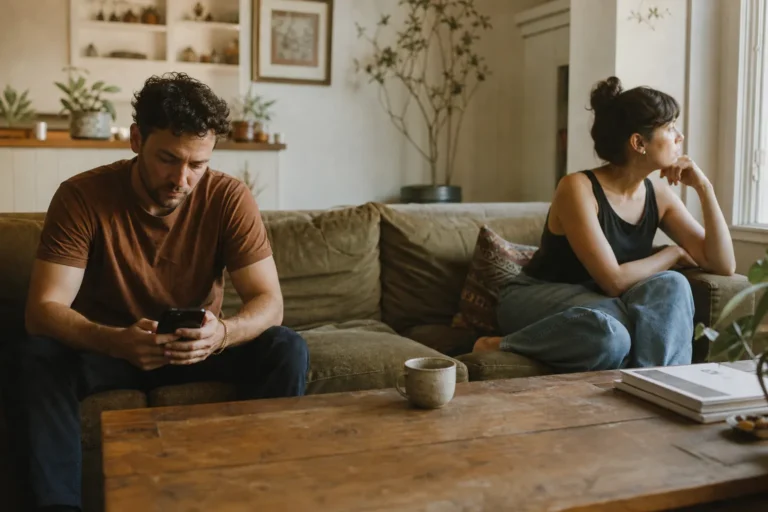
This sign is one of the most concerning. If you no longer kiss, cuddle or have sex, or you’ve stopped sharing what you think and feel, it may be time to get help. Couples describe this as “roommate mode”: you run the household together well enough, but the closeness is gone.
A partner is meant to be a source of comfort and security. Feeling detached from them is a real red flag. Sometimes honest conversation and effort can bring intimacy back. Often, by the time a couple is here, there’s a pattern of hurt and withdrawal that’s hard to shift alone. Illness, a new baby or grief can drain intimacy too.
2) Everything becomes an argument
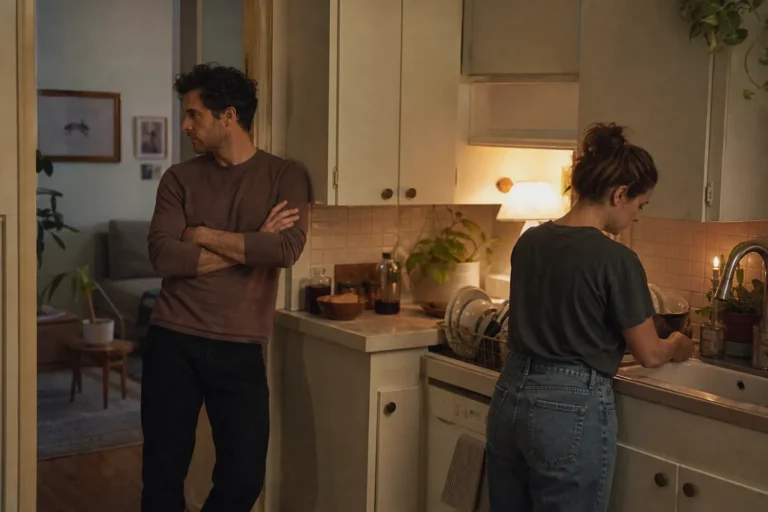
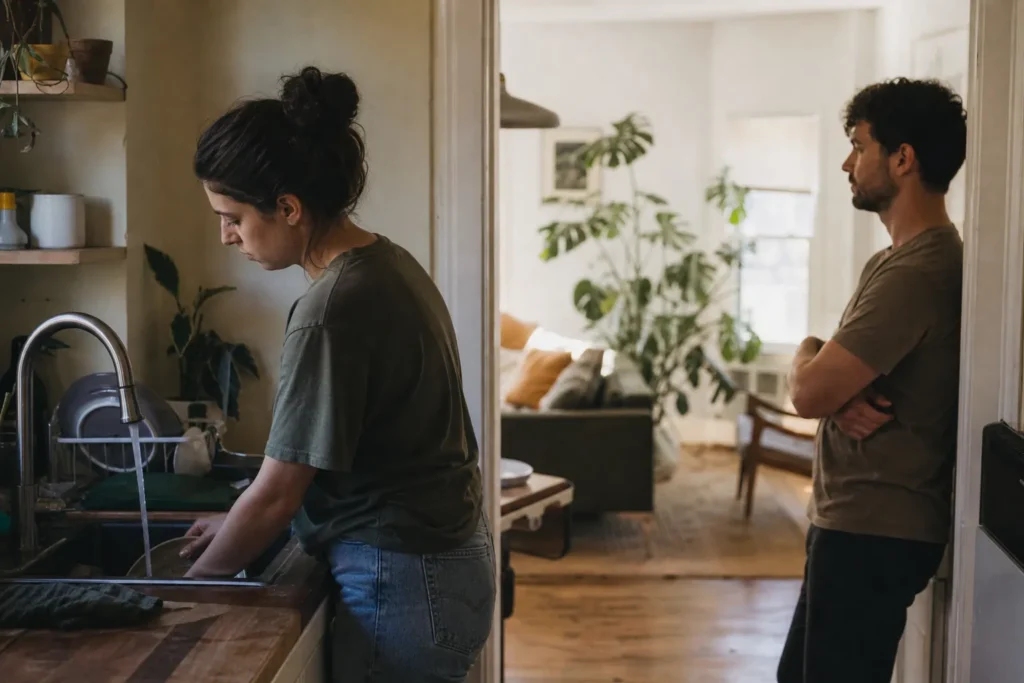
They didn’t do the dishes. You didn’t make the bed. Someone came home late or forgot to pick up dinner. Anything can set off a fight, even the smallest things. The fight about the dishes is rarely about the dishes. It’s usually about whether you feel seen, respected and able to count on each other.
Living this way isn’t sustainable. It wears you down and can change how you act. Where did the warm, easygoing version of you go? Why does everything feel so tense? The good news is that it’s not that you’re a bad person. It’s that the two of you are stuck in a cycle, and cycles can be changed.
3) Loads of resentment
If you can’t let go of something your partner did, and it keeps coloring how you see them, the relationship may need help to repair. Feeling hurt sometimes is normal. Healthy relationships handle hurts by talking about them, changing what caused them and, eventually, moving forward. If you’re stuck and can’t move forward, that’s a sign.
Not everything has to be forgiven, though. If you’ve been cheated on or treated badly, you have every right to say no to a second chance. If that’s where you are, my article on how to fall out of love after infidelity may help.
4) The negative experiences outweigh the positive ones
This one is tricky because of something psychologists call intermittent reinforcement: getting rewarded unpredictably. In a relationship, it looks like long stretches of tension broken by moments of feeling deeply in love. Because you never know when the good moments will come, they can feel even more powerful, and that can keep you attached to a turbulent relationship even when the bad times are far more frequent than the good ones.
If you’re mostly holding on for the occasional high, that’s worth bringing into therapy.
5) You fixate on a problem
Maybe your partner forgot your anniversary, or canceled plans with you to go out with friends. Those moments can turn into resentment and something close to obsession. You can’t stop thinking about it.
Often it isn’t really that the anniversary was so important. It’s that the relationship already feels fragile, so small slights land hard. If you find yourself fixating on details and replaying arguments, it’s worth a long, honest conversation with your partner. If those conversations keep going badly, that’s a sign you could use support.
6) You pretend nothing is wrong
Some couples go the other way and act as if everything is fine. Avoiding a problem is easier in the short term, but it doesn’t make the problem go away. It just means neither of you is looking at it.
Denial is a normal way people protect themselves. Many people deny a loss at first before they can accept it. It gives a sense of control. In a relationship, though, it usually means the distance grows quietly until something breaks. If you both avoid certain topics, or one of you keeps raising things the other won’t discuss, that’s worth working on.
Couples therapy vs. individual therapy
Sometimes one partner isn’t willing to try therapy, and the other is left looking for help alone. If that’s your situation, individual therapy can still help a great deal. You can understand your own part in the pattern, get clearer about what you need and decide what you want to do.
It’s different from couples work, though. In individual therapy, the therapist only hears your side, and you’re the only one practicing new ways of relating. Change is still possible, since when one person changes the dance, the other often shifts too, but it’s slower. If I’m already seeing one of you individually and you later want couples therapy, I’ll usually refer the couples work to a colleague, so neither of you has to wonder whose side I’m on.
If your partner stays unwilling to work on the relationship with you, it may eventually be time to think about letting go and focusing on your own growth.
What to expect from a couples therapist
Couples therapists use different approaches depending on their training. I draw on PACT, Imago, attachment-based work, interpersonal neurobiology, the Gottman Method and Emotionally Focused Therapy (EFT). EFT, developed by Sue Johnson, is one of the best known. It helps couples see the negative cycle they’re caught in and the needs for connection and safety underneath it.
Whatever the method, look for a licensed therapist with real experience working with couples. They should help both of you feel heard and won’t take sides. In my practice, nobody is the problem. The pattern is. Your first session is mostly about getting to know you both and what brought you in. My article on what to expect from your first couples therapy session walks through it.
A note on safety: if there is violence, threats, or one of you is afraid of the other, joint couples therapy isn’t the right first step. The National Domestic Violence Hotline is free and confidential at 1-800-799-7233, and in a crisis you can call or text 988.
What you will learn in couples therapy
Every relationship is different, but here’s what couples commonly work on:
- Recognizing your emotional reactions and what sets them off, and learning to calm them
- Listening well and responding with empathy, even when you disagree
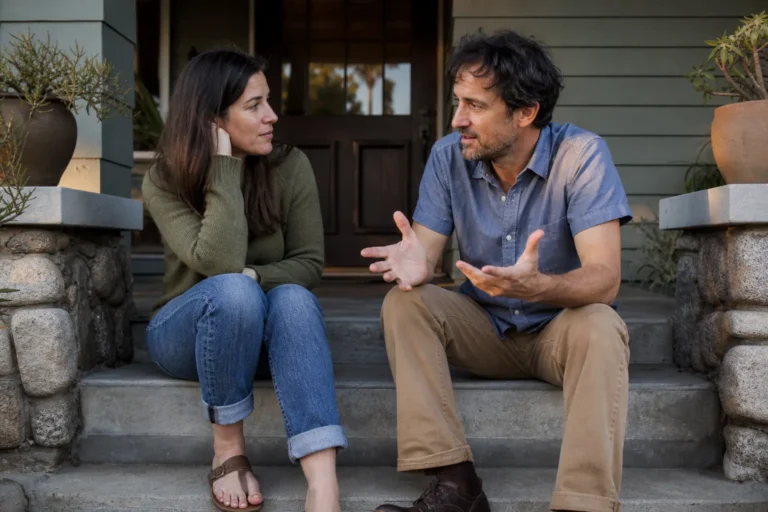
- Negotiating and having real conversations about hard topics
- Understanding your attachment styles and how you each give and receive love
- Knowing when to pause a heated moment and how to come back to it
- Committing to each other and to your own growth through hard times
Couples therapy in Los Angeles
I see couples in person at my office in Highland Park and online anywhere in California. Many of my clients come from nearby neighborhoods like Eagle Rock, Silver Lake, Glendale and Pasadena. You can read more about how I work on my couples therapy page.
If you’re tired of being stuck, you can book a free 20-minute consultation. No pressure, just a conversation.